
A well-defined project begins long before the first task is completed; it starts with a clear, mutual understanding of expectations. For freelancers, consultants, and agencies, navigating project details without a formal document can lead to misunderstandings, strained client relationships, and the dreaded "scope creep." This is where a Scope of Work Agreement Template becomes an indispensable tool. It serves as the foundational document that translates a project's vision into a concrete plan, outlining every deliverable, timeline, and responsibility. Without this clarity, projects are built on a shaky foundation of assumptions, leaving both parties vulnerable to disputes and disappointment.
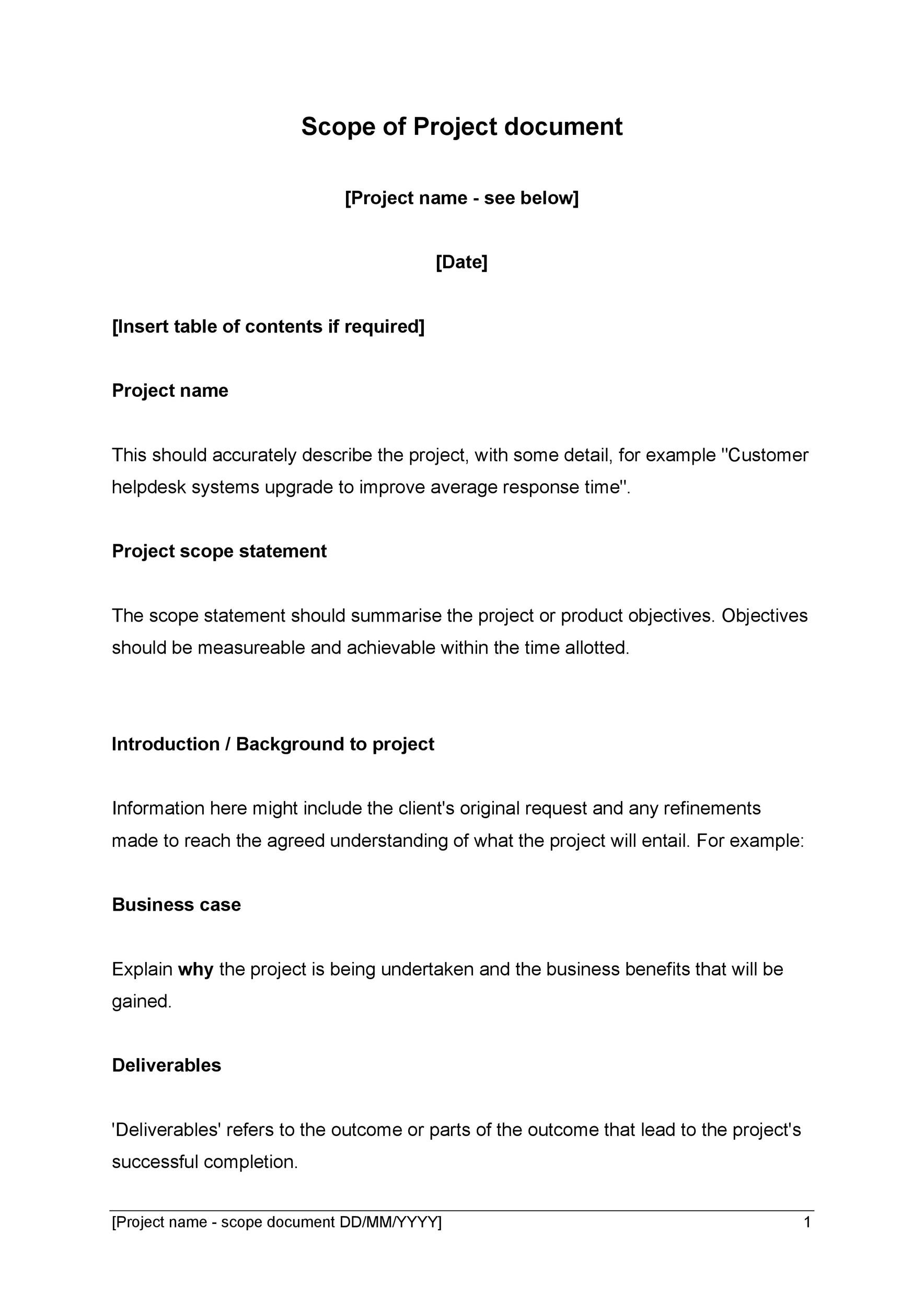
A Scope of Work, often abbreviated as SOW, is far more than a simple to-do list. It is a detailed, formal agreement that specifies all the work that will be performed in a project. It sets boundaries, defines success, and creates a single source of truth that both the service provider and the client can refer to throughout the project lifecycle. This document meticulously details the project's objectives, the specific tasks required to achieve them, timelines for completion, payment schedules, and the criteria that will be used to judge the work as complete and satisfactory.
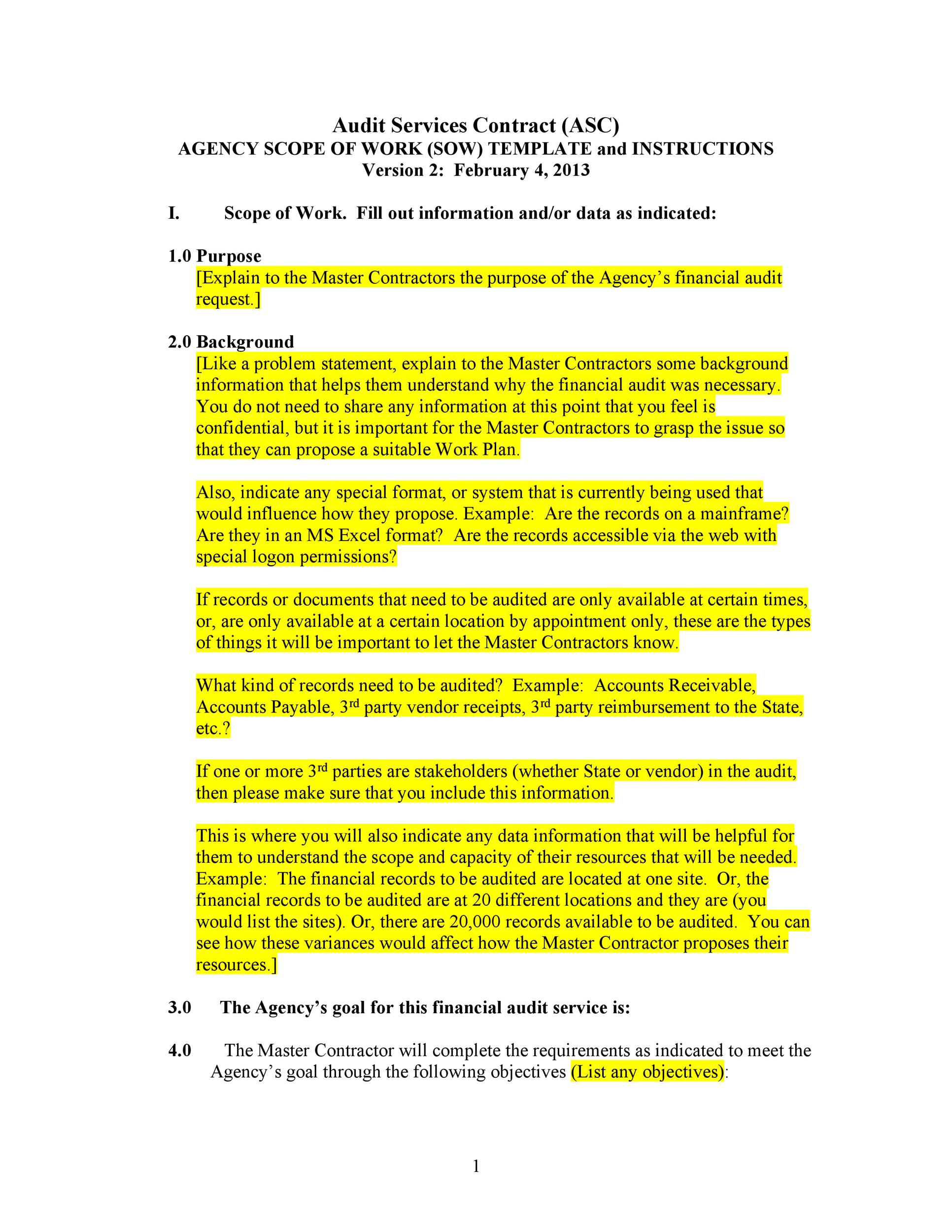
From a legal perspective, the SOW is a critical component of a service contract. When properly drafted, referenced within a master services agreement, and signed by both parties, it becomes a legally binding document. It provides a contractual basis for what is included—and just as importantly, what is excluded—from the project. In the event of a disagreement over deliverables or payments, a comprehensive SOW is the primary evidence used to resolve the conflict. It protects the provider from performing unpaid work and ensures the client receives exactly what they paid for, transforming ambiguity into accountability.
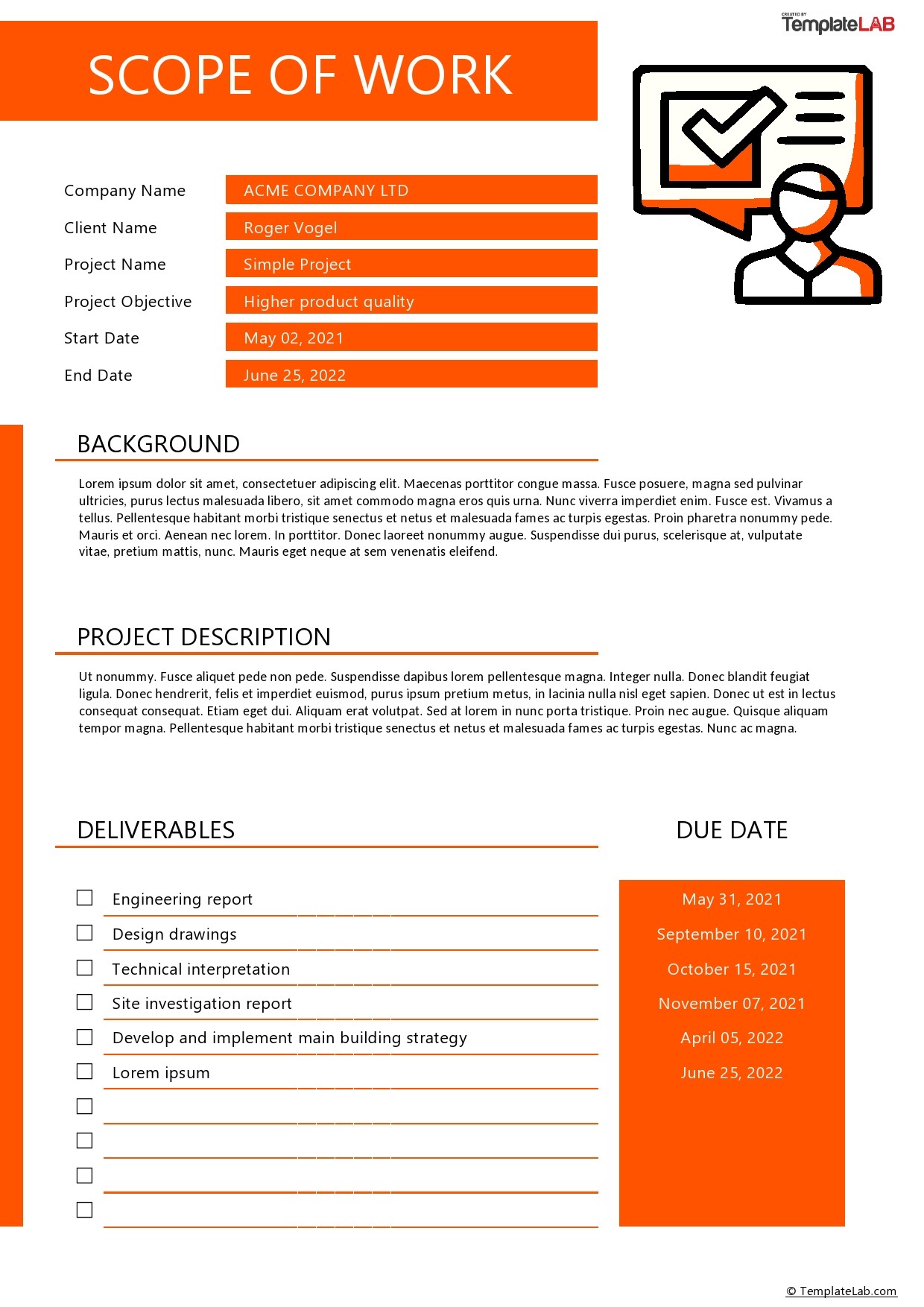
This guide will delve into the legal nuances of creating and using a scope of work agreement. We will break down the essential components that make an SOW legally robust, explore common pitfalls to avoid, and provide a clear framework for implementing a template effectively. By understanding these principles, you can transform a simple template into a powerful legal instrument that fosters clear communication, manages expectations, and ultimately paves the way for successful project outcomes.

What is a Scope of Work (SOW) and Why is it Legally Important?
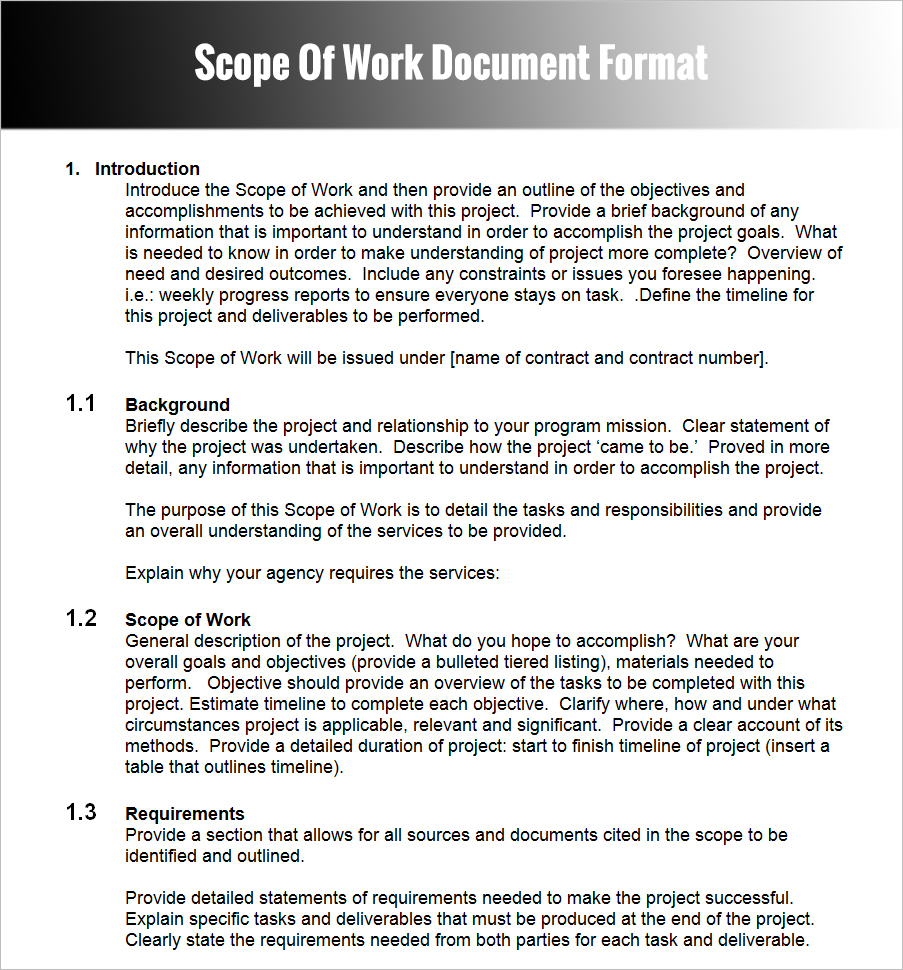
A Scope of Work (SOW) is a formal document that provides a detailed description of the work to be performed under a contract or project. It is the roadmap that guides the entire engagement, ensuring that everyone involved—the client, the service provider, project managers, and team members—shares the same understanding of the project's goals, deliverables, and constraints. It acts as a bridge between the client's high-level business objectives and the specific, granular tasks required to meet them.
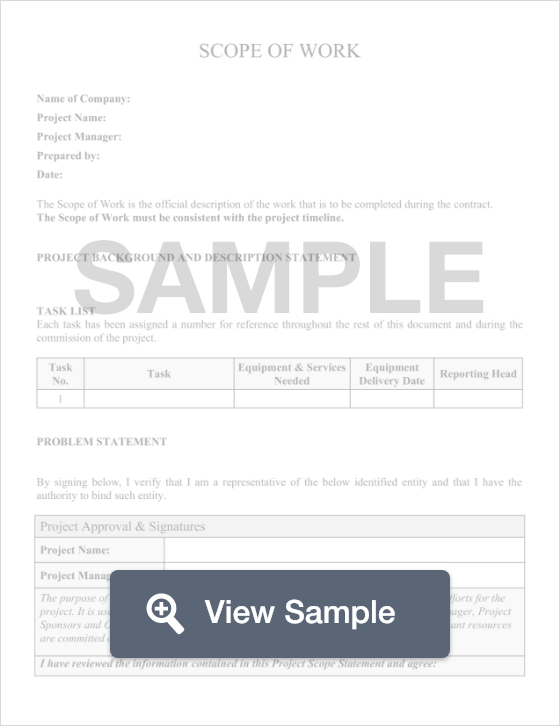
The primary purpose of an SOW is to eliminate ambiguity. It systematically answers key questions:
* What work will be done? (Deliverables, tasks)
* Why is the work being done? (Project objectives)
* When will the work be completed? (Timeline, milestones)
* How will success be measured? (Acceptance criteria)
* Who is responsible for what? (Roles and responsibilities)
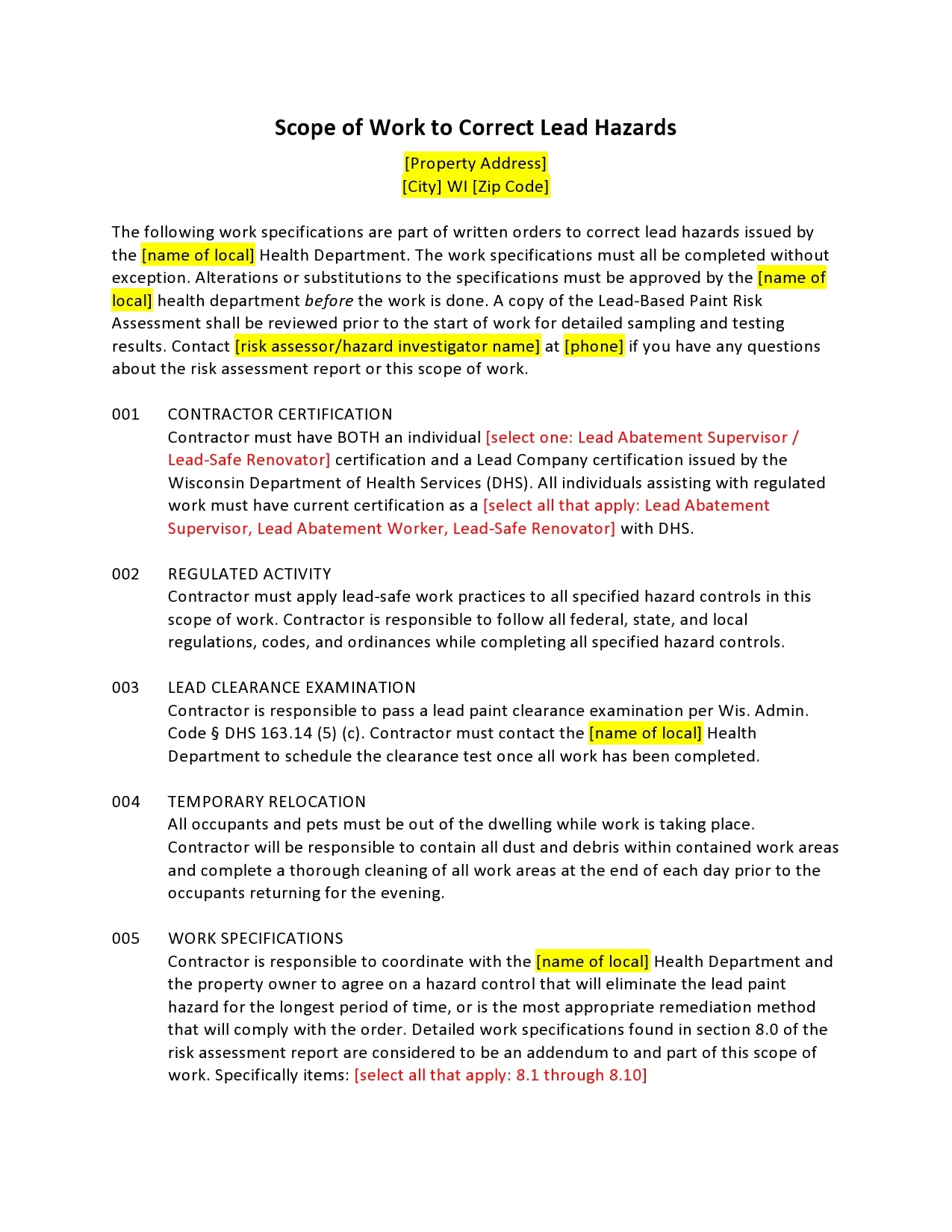
Legally, an SOW's importance cannot be overstated. When it is incorporated by reference into a larger contract, such as a Master Services Agreement (MSA), it becomes a legally enforceable part of that agreement. This means that failure to adhere to the terms outlined in the SOW can be considered a breach of contract. Its legal significance stems from its role as the primary defense against scope creep—the gradual expansion of a project beyond its original goals and deliverables, often without a corresponding adjustment in budget or timeline. A well-defined SOW provides a clear baseline, making it easy to identify when a new request falls outside the agreed-upon parameters, which then triggers a formal change control process.
Without a signed SOW, disputes are resolved based on "he-said, she-said" arguments, which are unreliable and damaging to business relationships. With a strong SOW, you have a written, mutually agreed-upon record that can be presented to resolve disagreements, guide mediation, or, in a worst-case scenario, be used as evidence in legal proceedings.
Core Legal Components of a Scope of Work Agreement Template
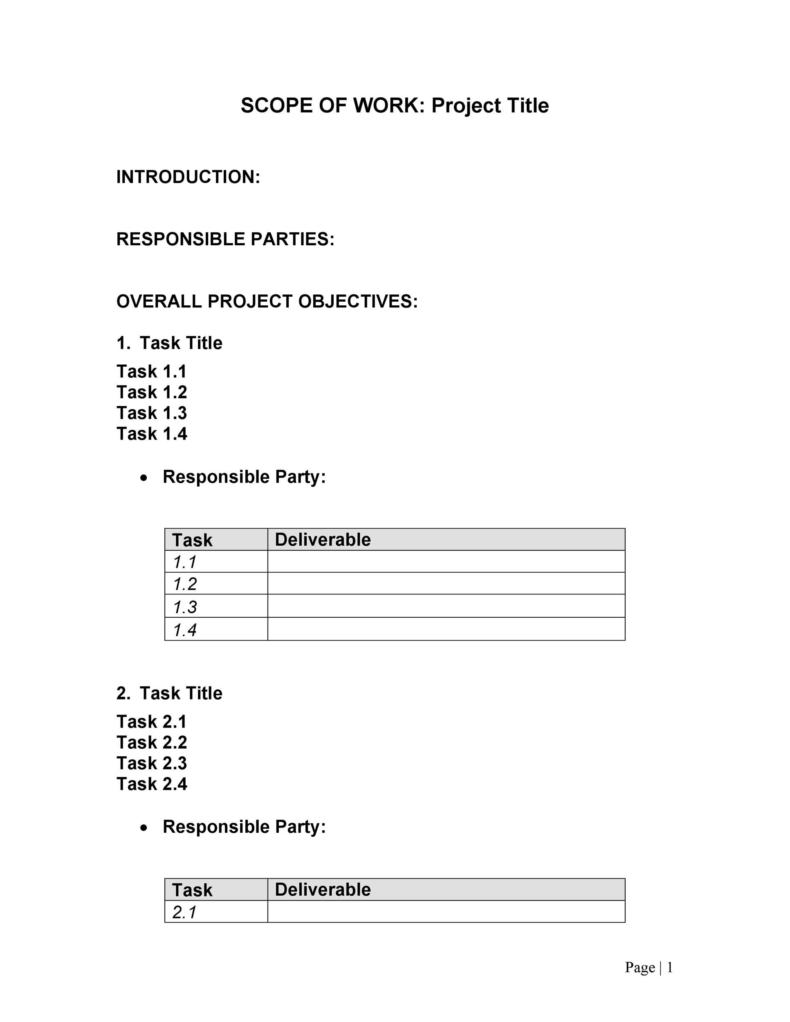
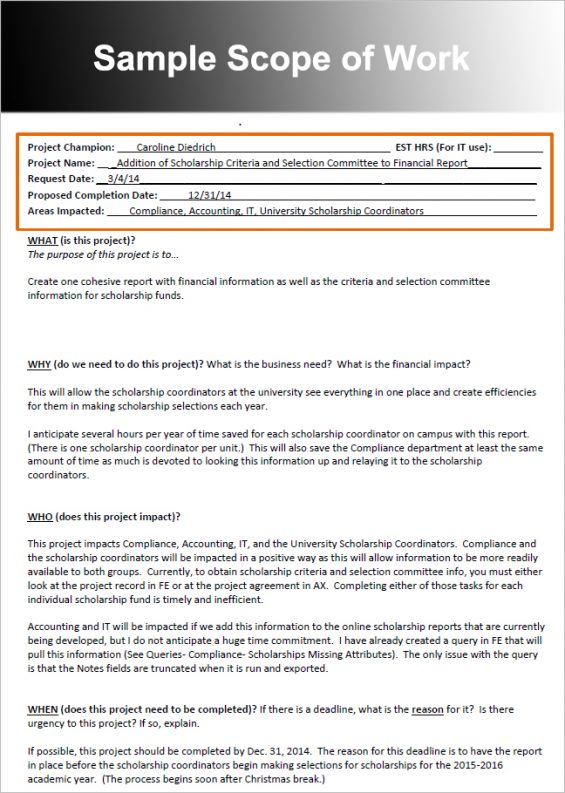
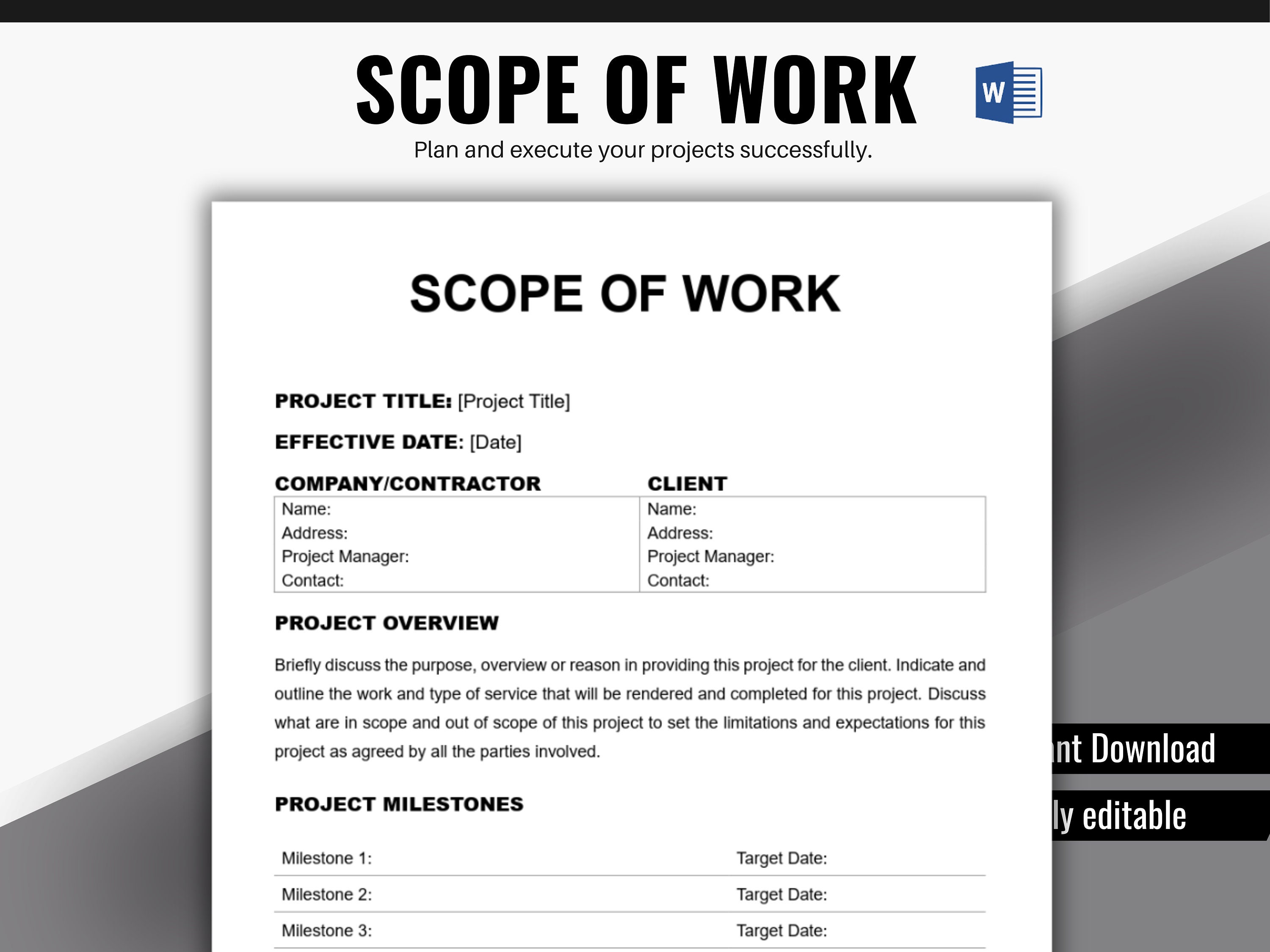
A generic template is only a starting point. To make it a legally sound document, you must customize it with specific details that cover all facets of the project. A comprehensive SOW is built upon several critical components that work together to create a complete picture of the engagement.

Project Objectives and Purpose
This section outlines the "why" behind the project. It should briefly describe the business problem the project aims to solve or the goal it intends to achieve. For example, instead of just stating "Build a new website," an objective would be "To develop a responsive e-commerce website to increase online sales by 25% within 12 months." Defining the purpose provides context for all subsequent tasks and deliverables. Legally, this context can be crucial in interpreting any ambiguities that may arise later in the project.
Detailed Deliverables and Tasks
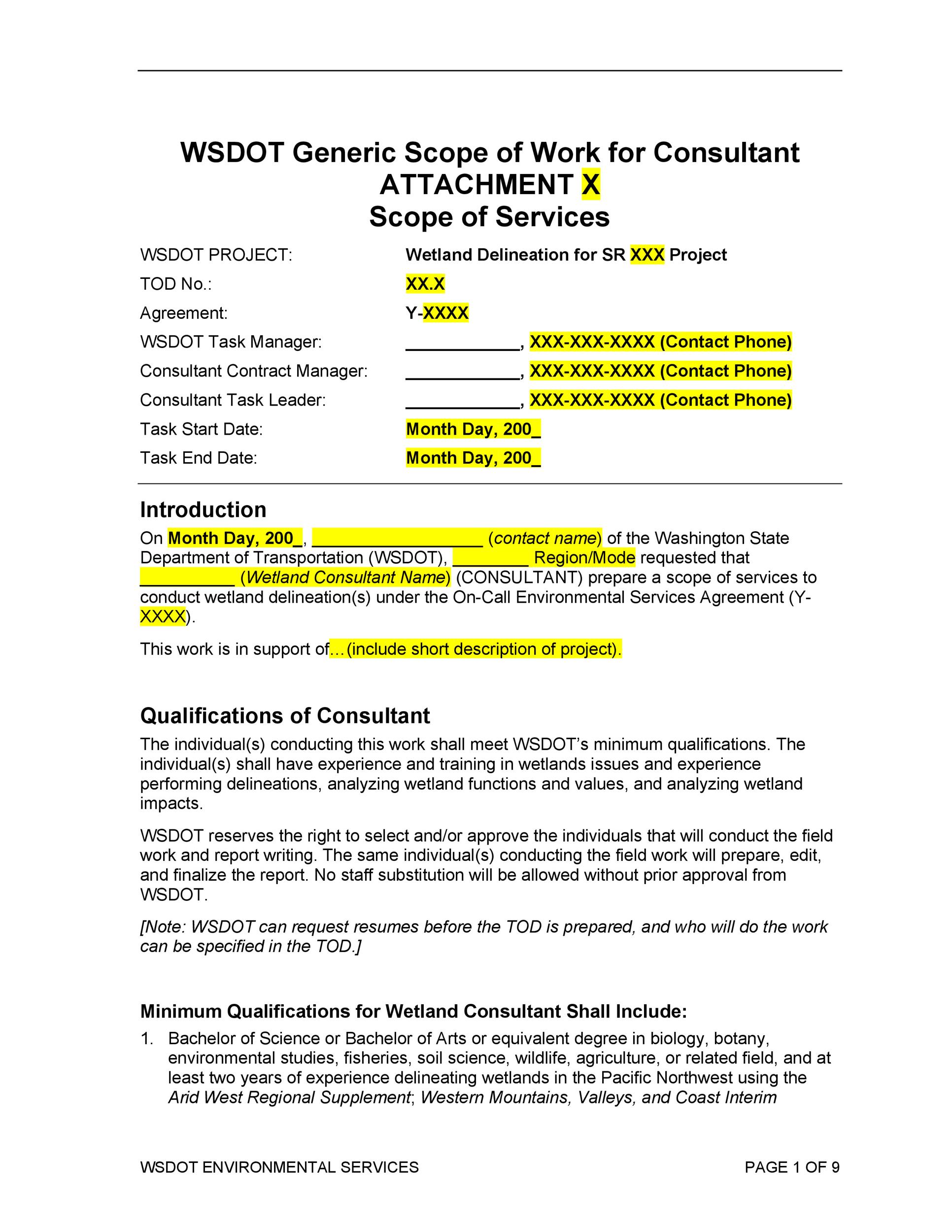
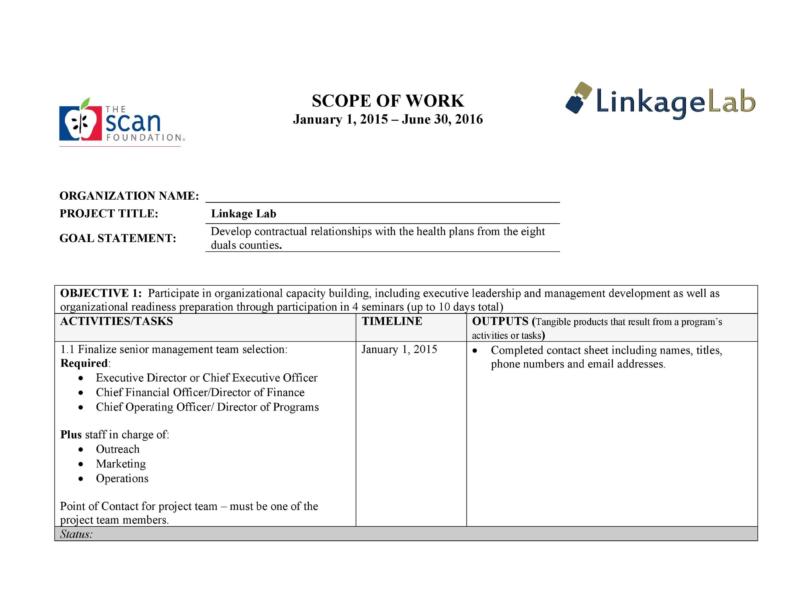
This is the heart of the SOW. A deliverable is a tangible or intangible outcome submitted to the client (e.g., a market research report, a software module, a logo design). A task is an action taken to produce a deliverable. This section must be exceptionally specific. Vague descriptions like "assist with social media" are legally risky. A better description would be: "Deliver 12 unique social media posts for LinkedIn per month, including custom graphics and approved copy. Client to approve all posts 48 hours prior to publishing." The more detail you include, the less room there is for misinterpretation.

Timeline, Milestones, and Schedule
This component defines the project schedule. It should include start and end dates, key milestones (significant checkpoints in the project), and the deadlines for major deliverables. For complex projects, this might be a detailed project plan or Gantt chart. Legally, tying the timeline to deliverables is essential. It establishes clear expectations for progress and forms the basis for any clauses related to late delivery. It's also important to note any dependencies, such as "Milestone 2 cannot begin until the client provides feedback on Milestone 1."
Acceptance Criteria and Reporting
How will you know when a deliverable is "done" and "correct"? This is defined by the acceptance criteria. This section outlines the standards a deliverable must meet to be approved by the client. It should also detail the review and approval process: Who has the authority to sign off? How many rounds of revision are included? What is the timeframe for providing feedback? This section should also specify reporting requirements, such as weekly progress reports or monthly status meetings, to ensure communication is consistent.
Exclusions and Assumptions
Legally, what you explicitly state is not included in the project is just as important as what is. The exclusions section clearly lists services or items that are out of scope. For example, a website development SOW might exclude "ongoing website hosting, SEO services, and content creation." The assumptions section lists the conditions you assume to be true for the project to proceed as planned, such as "The client will provide all necessary brand assets and copy within 5 business days of the project kickoff." If an assumption proves false, it can trigger a change request.

Payment Terms and Schedule
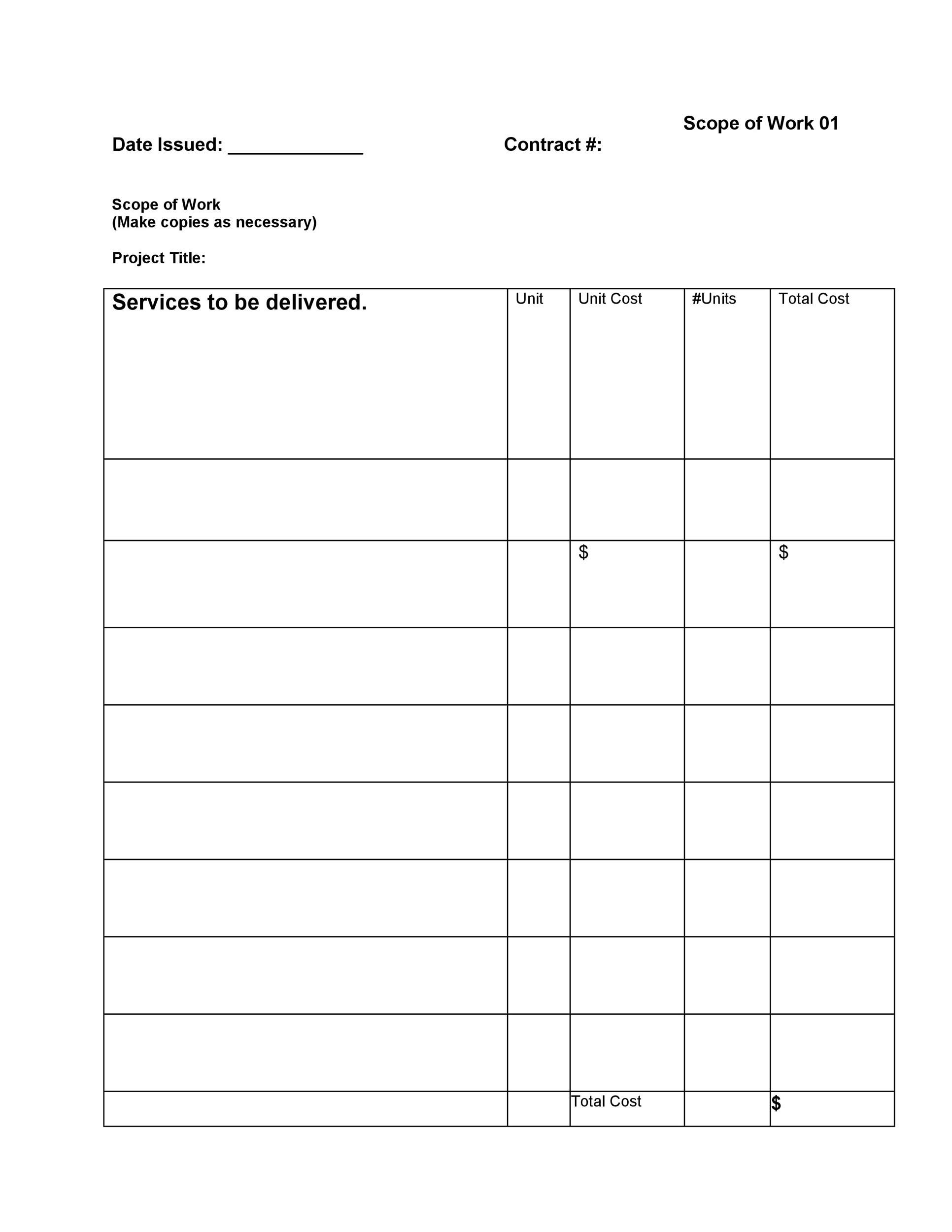
This section links the work directly to compensation. It should clearly state the total project cost or the billing rate. Most importantly, it should outline the payment schedule, often tied to the completion of milestones. For example: "30% due upon signing, 30% upon completion of Milestone 2, and the final 40% upon project completion and final acceptance." It should also detail payment methods, invoice due dates (e.g., Net 15), and any penalties for late payments, as stipulated in the master contract.
The Difference Between a Scope of Work and a Full Contract
It's a common misconception to use the terms "Scope of Work" and "contract" interchangeably. While deeply connected, they serve distinct functions. Understanding this distinction is vital for ensuring your legal protections are complete.
An SOW is typically a supporting document that details the specifics of a single project. It focuses entirely on the operational aspects: the work, the deliverables, the timeline, and the price for that particular engagement. Think of it as the "what, when, and how" of the project.

A full contract, often called a Master Services Agreement (MSA) or a General Service Agreement, is the overarching legal framework that governs the entire business relationship between two parties. It contains the broader legal and business terms that apply to any and all work performed. The MSA covers critical clauses that are rarely, if ever, found in an SOW, such as:
- Confidentiality and Non-Disclosure: Protecting sensitive information shared by both parties.
- Intellectual Property Rights: Defining who owns the work product created during the project.
- Liability and Indemnification: Limiting each party's financial responsibility in case of damages or legal claims.
- Termination: Outlining the conditions under which either party can legally end the agreement.
- Dispute Resolution: Specifying the process for handling disagreements (e.g., mediation, arbitration) and the governing law.
The SOW and the MSA are designed to work together. The MSA establishes the long-term legal relationship, and individual SOWs are then created for each new project under that MSA. The MSA will typically include a clause that says something like, "The specific services, deliverables, and fees for each project will be described in a separate Scope of Work, which, upon execution by both parties, will become a part of this Agreement." This structure is efficient because you don't have to renegotiate core legal terms for every new project; you only need to create and sign a new SOW.

Common Legal Pitfalls to Avoid When Using an SOW Template
Using a template can streamline your process, but it can also lead to significant legal trouble if not handled carefully. Templates are generic by nature, and failing to customize them properly can leave you exposed.

Overly Vague Language
The single biggest mistake is using ambiguous or subjective language. Terms like "provide support," "optimize performance," or "create a modern design" are legally meaningless because they cannot be objectively measured. Always replace vague terms with concrete, quantifiable descriptions. Instead of "timely feedback," specify "feedback provided within 3 business days." This clarity is your best defense in a dispute.
Ignoring the Change Control Process
Projects evolve. Clients will request changes. Without a formal process to manage these requests, you risk uncontrolled scope creep. Your SOW or master contract must include a change control clause. This clause should state that any changes to the SOW must be submitted in writing (a "Change Order"), evaluated for their impact on cost and timeline, and approved by both parties before any new work begins. Ignoring this process invalidates the original SOW's boundaries.
Not Getting It Signed
An unsigned document is merely a proposal. For an SOW to have legal weight, it must be signed and dated by authorized representatives of both parties. This act of signing signifies a mutual agreement to the terms within. Whether using electronic signatures or a wet-ink signature, ensure you have a fully executed copy before starting any work.
Using a Generic Template Without Customization
Every project is unique. A "one-size-fits-all" SOW template downloaded from the internet will not adequately protect you. You must meticulously review and tailor every section—especially deliverables, exclusions, and acceptance criteria—to reflect the specific realities of the project at hand. Using a template as a final document instead of a starting point is a recipe for conflict.
How to Legally Implement Your Scope Of Work Agreement Template
Turning a template into a binding agreement involves a clear, methodical process. Following these steps ensures your SOW is not only comprehensive but also properly executed from a legal standpoint.
Step 1: Customize the Template
Begin by filling in every relevant section of your Scope of Work Agreement Template with project-specific information. Be thorough and precise. Involve your team members who will be doing the work to ensure the tasks, estimates, and timelines are realistic. This is the most critical step for aligning the document with the actual work to be performed.
Step 2: Review with the Client
The SOW should not be a surprise to your client. Treat it as a collaborative document. Schedule a meeting to walk through the draft SOW with the client, section by section. This proactive discussion helps uncover misunderstandings, clarify ambiguities, and ensure you are both in complete alignment before signing. It builds trust and sets a positive tone for the project.
Step 3: Integrate with Your Master Services Agreement (MSA)
Ensure your MSA properly references the SOW. The MSA should contain a clause that incorporates the SOW by reference, making it a legally binding part of the overall contract. The SOW itself should also reference the MSA, stating that it is governed by the terms and conditions set forth in that agreement. This creates a clear and legally sound contractual hierarchy.
Step 4: Execute the Agreement
Once all parties agree on the terms, the SOW must be formally executed. Both parties must sign and date the document. Store the executed copy in a secure, accessible location. Digital signature platforms like DocuSign or Adobe Sign are excellent tools for this, as they provide a clear audit trail.
Step 5: Refer to it Throughout the Project
The SOW is not a document to be filed away and forgotten. It is a living guide for project management. Refer to it regularly during team meetings and client check-ins to ensure the project is on track. When a new request arises, use the SOW as the objective tool to determine if it constitutes a change request.
When to Seek Legal Counsel for Your SOW
While a solid template and careful customization can cover many scenarios, there are times when self-guidance is not enough. Knowing when to consult with a lawyer is crucial for mitigating significant risks.
You should strongly consider seeking legal counsel in the following situations:
- High-Value or Long-Term Projects: The larger the financial stake or the longer the project duration, the greater the potential risk. A lawyer can help you draft an SOW and contract that provides maximum protection for a significant engagement.
- Complex Intellectual Property (IP) Considerations: If the project involves creating valuable IP (like software, inventions, or extensive branding), a lawyer is essential to ensure ownership, licensing, and usage rights are clearly and correctly defined.
- Working with Large Corporations: Large companies have their own legal teams and often present you with their own complex contracts. It's wise to have your own lawyer review these documents to ensure the terms are fair and not one-sided.
- Highly Regulated Industries: If your work is in a field like finance, healthcare, or government contracting, there are often specific legal and compliance requirements that must be addressed in your agreements.
- Significant Deviation from Your Standard Template: If a client requests major changes to your standard terms or if the project is highly unusual, a legal review can prevent you from unknowingly agreeing to unfavorable conditions.
Conclusion
A Scope of Work agreement is far more than an administrative formality; it is the legal and operational cornerstone of any successful project. By moving beyond a simple task list and embracing the SOW as a detailed, binding agreement, you replace assumptions with certainty and ambiguity with clarity. It serves as a vital communication tool that aligns expectations and provides a clear framework for measuring success. From a legal standpoint, it is your primary instrument for defining boundaries, managing scope creep, and resolving disputes fairly and efficiently.
Remember that the power of a Scope of Work Agreement Template lies in its thorough customization and proper implementation. A well-drafted SOW, integrated with a comprehensive master contract and signed by both parties, protects the interests of both the service provider and the client. It transforms a business transaction into a structured partnership, fostering the trust and transparency needed to navigate challenges and achieve outstanding results. Investing the time and effort to get your SOW right is one of the most valuable decisions you can make for the health of your projects and your business.
0 Response to "Scope Of Work Agreement Template Legal"
Posting Komentar