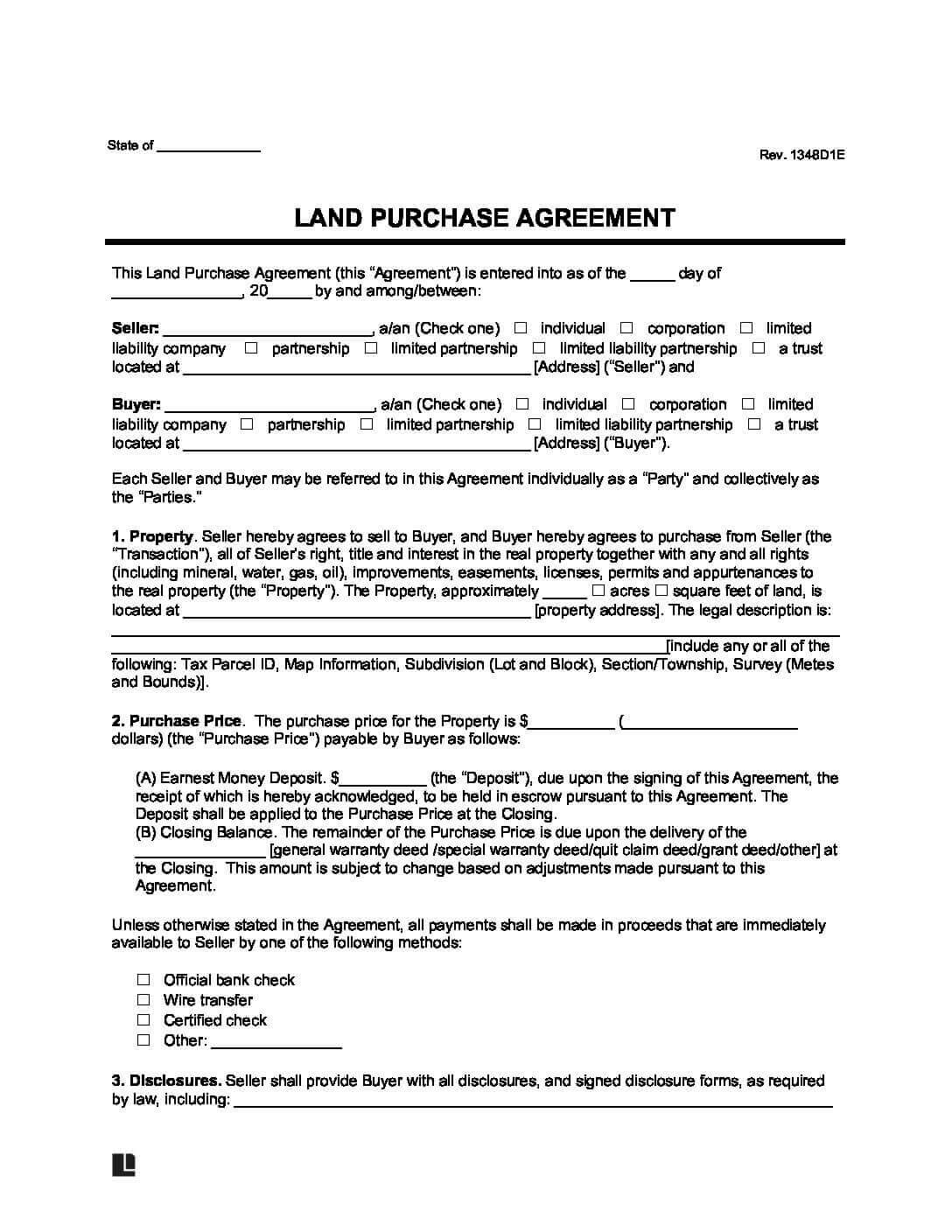
Unlocking the development potential of your land can be a life-changing financial event, but the path from an open field to a plot with valuable planning permission is complex and expensive. For many landowners, the prospect of funding costly surveys, hiring consultants, and navigating the labyrinthine planning system is a significant barrier. This is where a well-structured Land Promotion Agreement Template can serve as an invaluable blueprint, outlining a partnership that aligns the interests of the landowner with a specialist promoter. This legal framework allows a landowner to leverage a promoter's expertise and financial resources to secure planning permission, with both parties sharing in the subsequent uplift in the land's value.
A land promotion agreement is fundamentally a collaborative venture. A promoter, at their own cost and risk, agrees to apply for planning permission for a landowner's property. If they are successful and the land is sold on the open market, the promoter receives a pre-agreed percentage of the sale proceeds as their fee. This model is starkly different from an option agreement, where a developer has the right to buy the land at a price that is often fixed or formula-based. In an option agreement, the developer's goal is to acquire the land as cheaply as possible, creating an inherent conflict with the landowner's desire for the highest price. A promotion agreement, however, ensures both parties are motivated to achieve the maximum possible sale value.
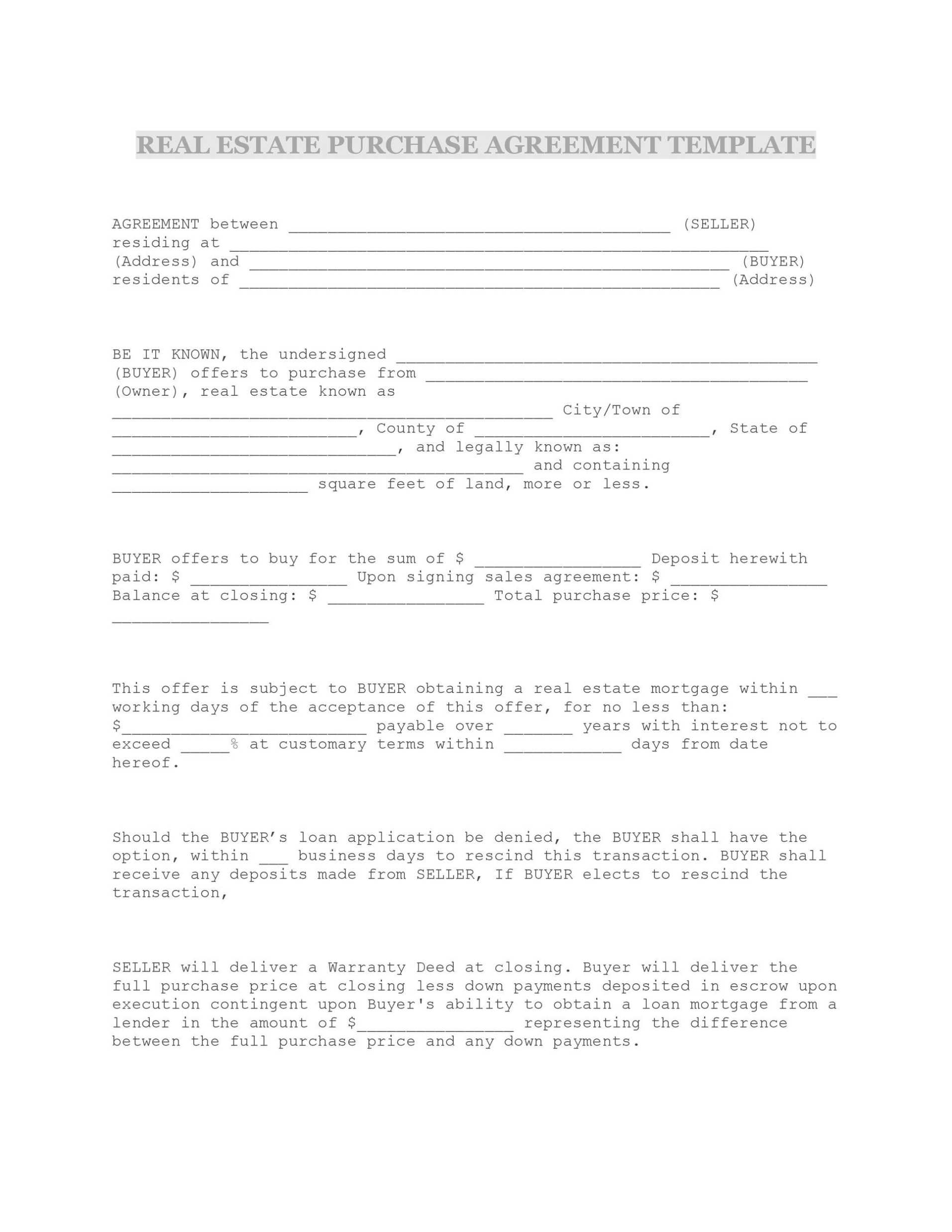
The success of this partnership hinges entirely on the quality and clarity of the agreement itself. A vague or poorly drafted document can lead to costly disputes, unmet expectations, and significant financial loss. It must meticulously detail the obligations of both the promoter and the landowner, from the initial planning strategy to the final distribution of funds. It needs to set out clear timelines, define how costs will be handled, and establish a transparent process for marketing and selling the land once planning permission is secured.
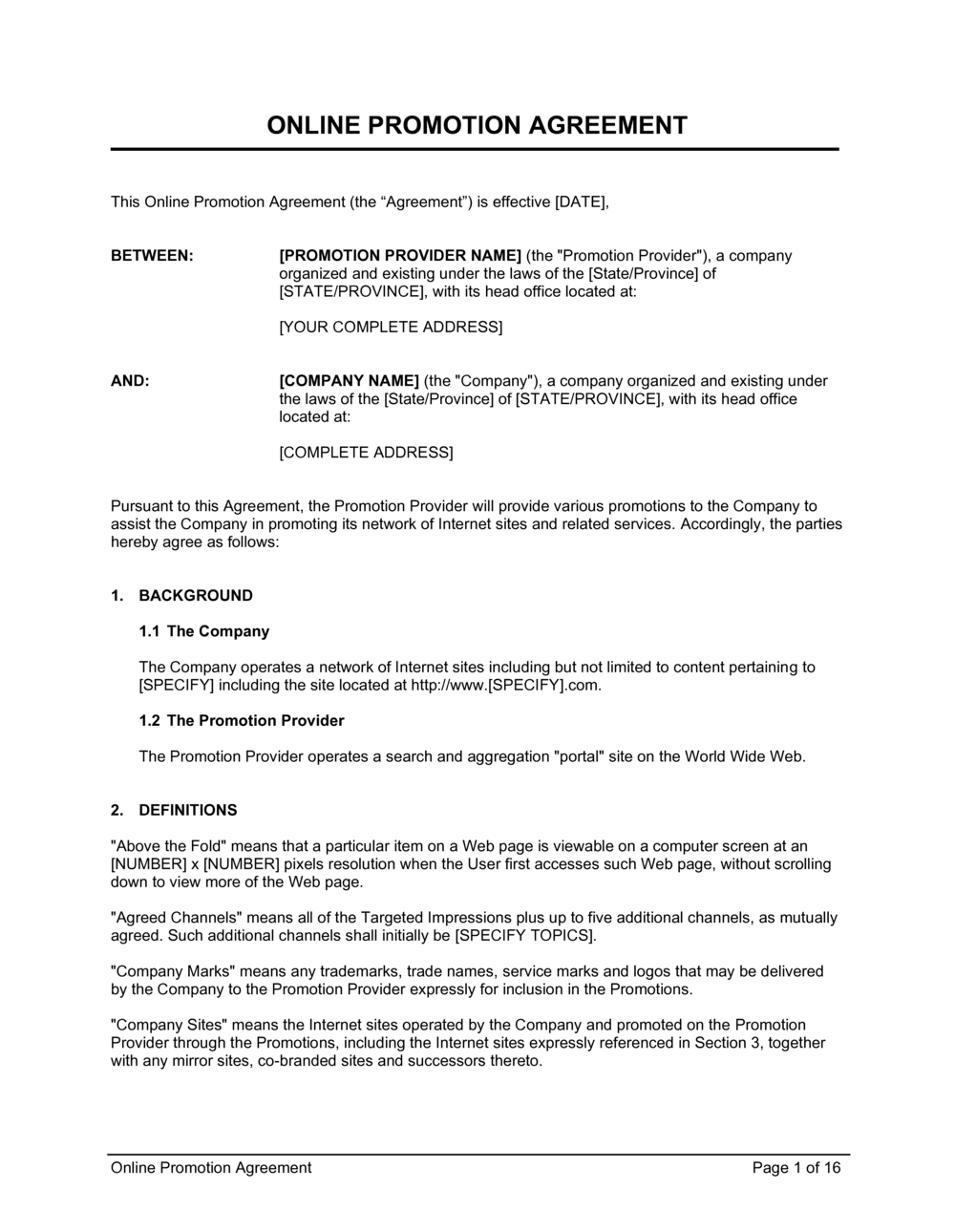
This article serves as a comprehensive guide for landowners considering this route. We will explore the essential components of a robust land promotion agreement, break down the key clauses you must understand, and discuss the significant benefits and potential risks involved. While a template provides a crucial starting point, it's vital to understand why professional legal advice is non-negotiable to tailor the agreement to your specific circumstances and protect your valuable asset.
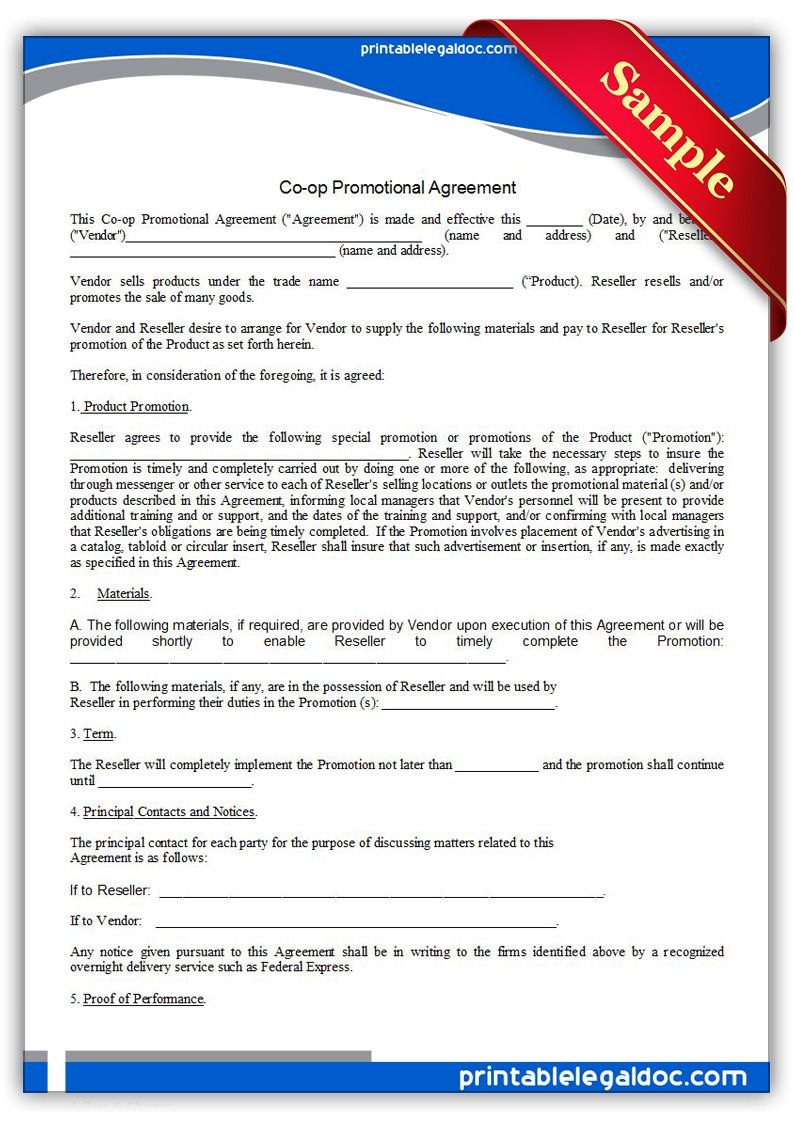
What is a Land Promotion Agreement?
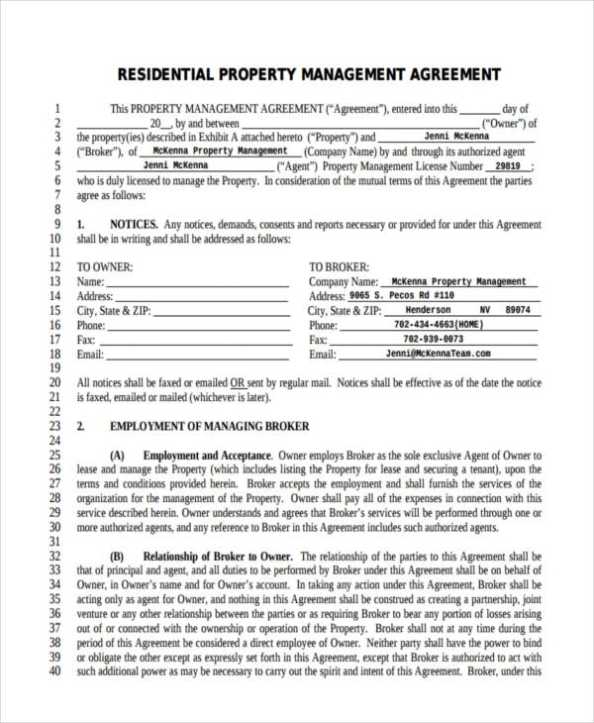
A Land Promotion Agreement (LPA) is a legally binding contract between a landowner and a land promoter. The core purpose of the agreement is to secure planning permission on the landowner's property with the goal of selling it for a significantly higher value on the open market. Under this arrangement, the promoter undertakes the entire planning process at their own expense and risk.
The mechanism is straightforward: the promoter invests their time, expertise, and capital to navigate the complex planning system. This includes funding all necessary activities, such as commissioning architectural drawings, conducting environmental impact assessments, carrying out traffic surveys, and paying for legal and consultancy fees. In return for this investment, if planning permission is granted and the land is subsequently sold, the promoter receives an agreed-upon percentage of the net sale proceeds. If planning permission is refused, the promoter bears the entirety of the costs incurred and receives nothing, while the landowner has lost nothing financially.
This structure creates a powerful alignment of interests. Since the promoter's reward is directly tied to the final sale price of the land, they are fully incentivized to obtain the best possible planning consent—one that makes the site most attractive to high-quality housebuilders and developers—and to ensure the land is sold for the maximum price. This shared objective is the primary advantage of a promotion agreement over other types of land deals.
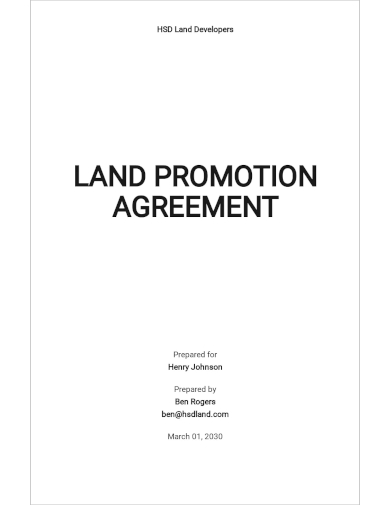
Land Promotion vs. Option Agreements
Understanding the difference between a land promotion agreement and an option agreement is critical for any landowner. While both are used to develop land, their financial structures and the relationship between the parties are fundamentally different.

An Option Agreement gives a developer the right, but not the obligation, to purchase the land at a future date for a pre-determined price or a price based on a formula. This price is often set as a discount to the market value. This creates a potential conflict of interest: the developer is incentivized to minimize their purchase price to maximize their own profit, which is often at the landowner's expense.
A Land Promotion Agreement, by contrast, is a partnership. The promoter never owns the land. Their role is to enhance its value through planning permission. The land is then sold on the open market to the highest bidder. Both the landowner and the promoter benefit from a higher sale price, ensuring their interests are aligned throughout the process.

Land Promotion vs. Hybrid Agreements
A hybrid agreement attempts to blend elements of both promotion and option agreements. It might operate as a promotion agreement, but also give the promoter the right to match any offer made on the open market or to buy the land for a percentage of the market value. These agreements can be complex and require careful legal scrutiny to ensure the landowner's interests are fully protected and the potential for conflict is minimized.
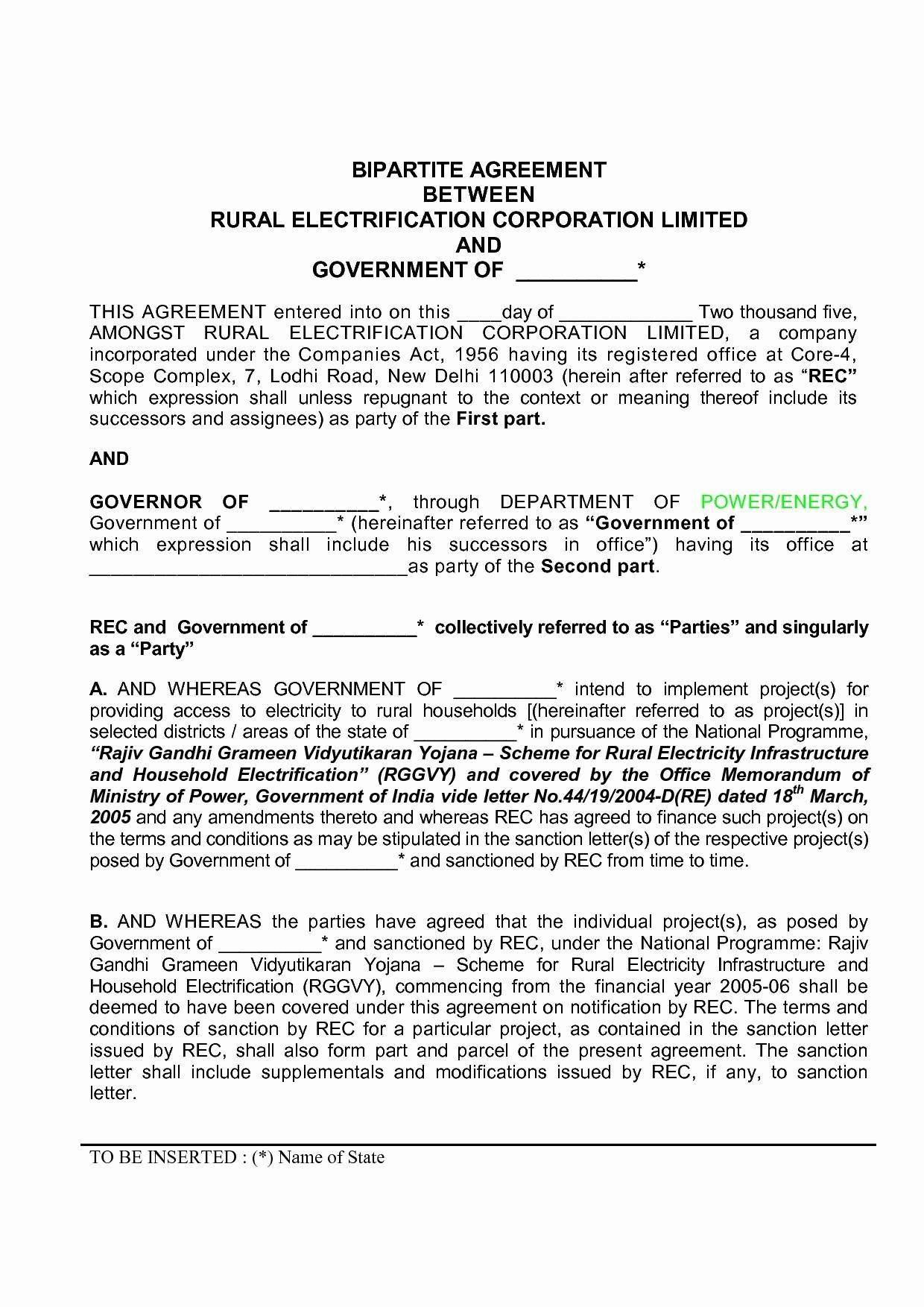
Key Clauses to Include in Your Land Promotion Agreement Template
A generic template can be a useful educational tool, but the final agreement must be a detailed, bespoke document. It needs to anticipate potential issues and clearly define the relationship between the parties. The following clauses are absolutely essential.
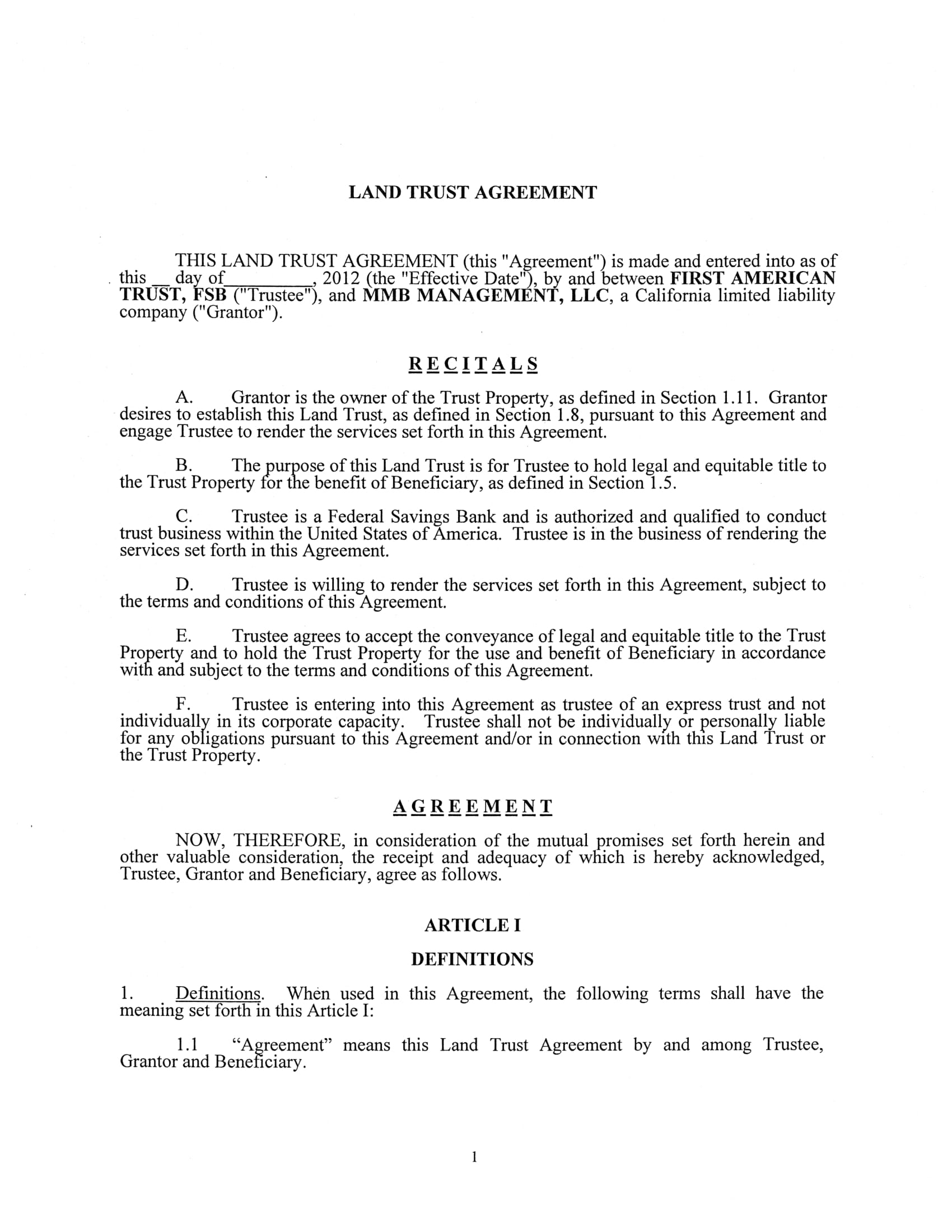
The Parties and the Property
This foundational clause must accurately identify all legal owners of the land (the landowner) and the promoting company (the promoter). It must also include a precise legal description of the property in question, supported by a detailed plan with the boundaries clearly marked. Any ambiguity here can lead to significant disputes later on.
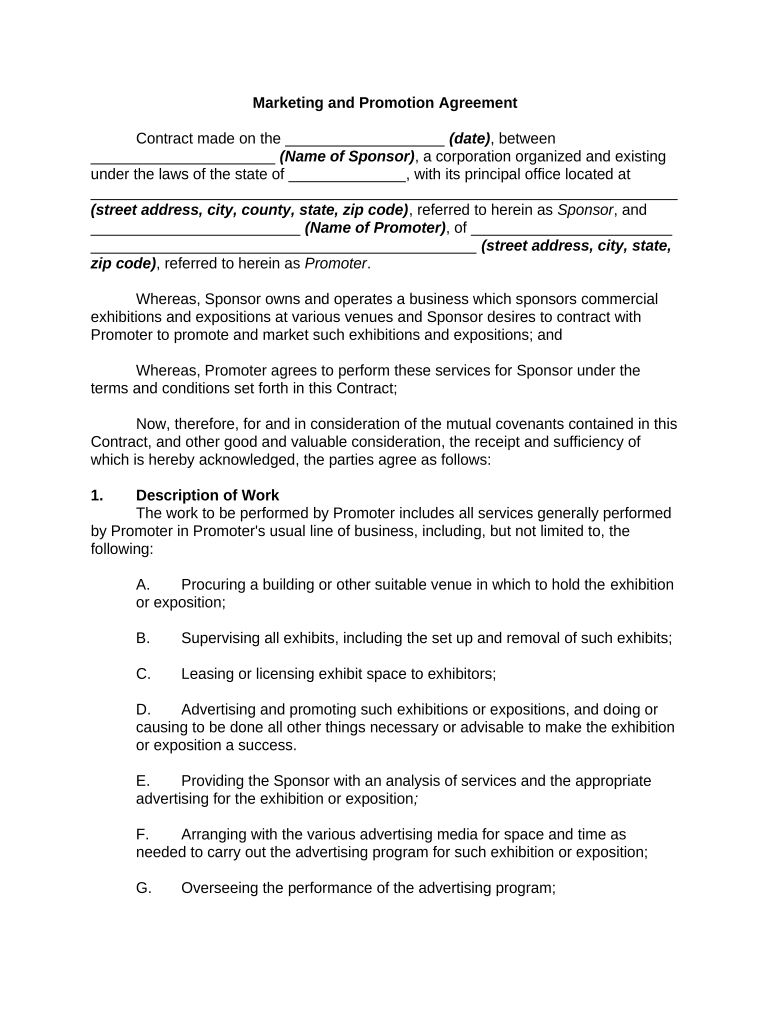
The Promotion Period
This clause defines the time frame within which the promoter must attempt to secure planning permission. This is often referred to as the "promotion period." A typical period might be between 5 and 10 years, which allows sufficient time for a complex planning application, potential appeals, and marketing. It is crucial to include a longstop date, which is the absolute latest date by which the agreement terminates if planning and a sale have not been achieved. This prevents the land from being tied up indefinitely.
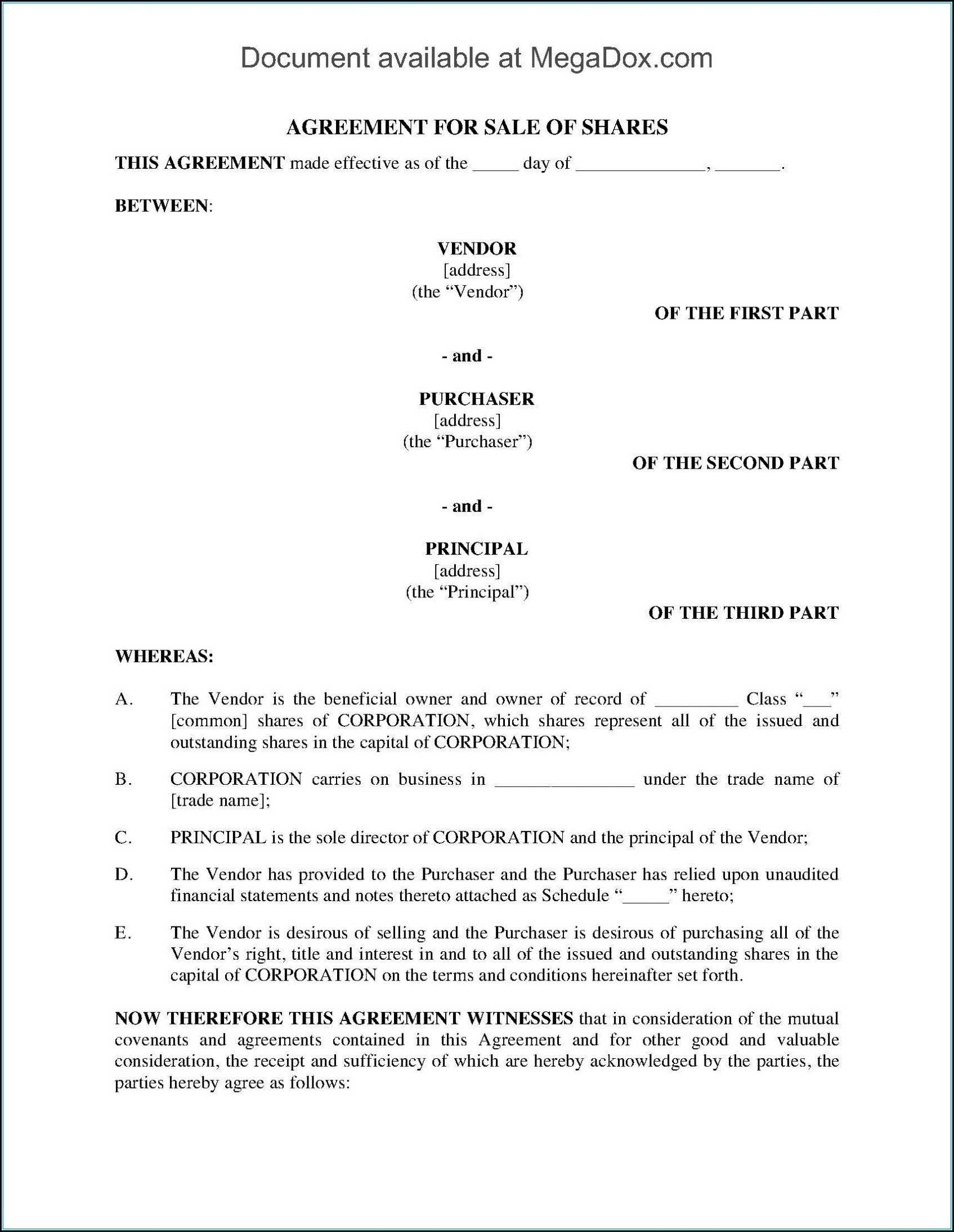
Promoter's Obligations
This section is the heart of the agreement and must be crystal clear. It should explicitly state what the promoter is required to do, such as:
- Funding: A statement that the promoter will fund 100% of the costs associated with the planning application and marketing process.
- Effort Level: The agreement should specify the level of effort required, for example, using "all reasonable endeavours" or "best endeavours" to obtain planning permission.
- Planning Strategy: It should outline the process for agreeing on a planning strategy and the type of development being sought.
- Consultation: The promoter must be obligated to consult with and update the landowner at key milestones throughout the process.
- Professional Team: The promoter is responsible for appointing and paying for a team of professional consultants, such as planners, architects, and surveyors.
Landowner's Obligations
The landowner also has responsibilities to ensure the process runs smoothly. These typically include:

- Access: Granting the promoter and their consultants access to the land for surveys and investigations.
- Cooperation: Cooperating with the promoter and not doing anything that could hinder the planning application.
- Exclusivity: Agreeing not to enter into negotiations with other developers or sell the land during the promotion period.
- Providing Information: Supplying any relevant information or documents about the land.
Calculating the Promoter's Fee
This clause details the financial arrangement. It must clearly define how the promoter's fee is calculated. It is typically a percentage (e.g., 15-25%) of the final sale price. Crucially, the agreement must specify which costs are deducted from the gross sale price before the proceeds are split. These deductible costs usually include:
- The promoter's planning, legal, and consultancy fees.
- Marketing and agent fees for the sale of the land.
- Any taxes related to the sale, such as Capital Gains Tax.
- Costs associated with planning obligations like Section 106 contributions or the Community Infrastructure Levy (CIL).
Landowners should seek to place a cap on the total deductible costs to protect their share of the proceeds.
The Sale and Marketing Process
Once satisfactory planning permission is granted, the agreement must dictate how the property will be sold. A well-drafted clause will ensure the land is exposed to the entire open market to generate competitive bidding and achieve the best possible price. It should cover the process for appointing a selling agent, agreeing on a marketing strategy, and the mechanism for accepting a final offer, often requiring mutual consent.
Dispute Resolution
Even with the best intentions, disagreements can occur. A dispute resolution clause provides a formal process for resolving conflicts without immediately resorting to expensive court proceedings. This usually involves a tiered approach, starting with negotiation, followed by mediation, and then potentially arbitration or litigation as a last resort.
The Benefits of Using a Land Promotion Agreement
For landowners, the advantages of entering into a land promotion agreement are significant, offering a low-risk, high-reward pathway to realizing their land's development potential.
- No Upfront Costs or Risk: The most compelling benefit is that the landowner bears no financial risk. The promoter funds the entire, often six-figure, planning process. If the application fails, the landowner owes nothing.
- Access to Expertise: Promoters are specialists. They bring a wealth of experience, a network of top-tier consultants, and a deep understanding of planning policy and local council requirements. This expert knowledge dramatically increases the chances of a successful outcome.
- Alignment of Interests: As the promoter's fee is a percentage of the final sale price, their goals are perfectly aligned with the landowner's: to secure the most valuable planning consent possible and sell the land for the highest price the market will bear.
- Maximizing Land Value: By achieving a robust planning permission and then testing the open market, the land is sold for its full potential value. This is often significantly more than would be achieved through a private sale to a single developer under an option agreement.
Potential Risks and How to Mitigate Them
While highly beneficial, land promotion agreements are not without potential risks. Acknowledging these risks and mitigating them within the agreement is key to protecting the landowner's interests.
- Risk of a Promoter Underperforming: A promoter may not pursue the application with sufficient diligence or expertise. To mitigate this, the agreement should include clear milestones, regular reporting obligations, and a firm longstop date to terminate the agreement if progress is not made.
- Risk of Unforeseen Costs: The promoter's costs are deducted from the sale proceeds. If these costs spiral, it can eat into the landowner's share. Mitigation involves tightly defining what constitutes a "deductible cost" and negotiating a cap on the total costs that can be claimed.
- Risk of Market Downturn: The final sale price is subject to the property market's fluctuations. While this risk cannot be eliminated, the agreement can specify that the landowner is not obligated to sell if a minimum price threshold is not met, providing some protection.
- Risk of Disagreements on Sale: Disputes can arise over the best time to sell or the acceptability of an offer. Mitigation requires a clearly defined sale and marketing process in the agreement, including how a selling agent is chosen and how offers are handled, with joint agreement often required.
Why You Shouldn't Rely on a Generic Land Promotion Agreement Template
Searching online for a "Land Promotion Agreement Template" can provide a useful overview of the typical structure and clauses. However, using a generic, off-the-shelf template for a transaction of this magnitude without professional legal input is exceptionally risky.
Every piece of land is unique, and every deal has its own nuances. A standard template cannot account for the specific characteristics of your property, such as restrictive covenants, access issues, existing tenancies, or specific local planning policies.
Furthermore, the financial clauses, particularly the definition of deductible costs and the promoter's fee percentage, need to be carefully negotiated and drafted to reflect the specific project's risk and potential reward. A generic document will almost certainly favor the party that drafted it—usually the promoter.
Ultimately, a land promotion agreement template should be considered an educational starting point only. It is not a substitute for bespoke legal advice from a solicitor who specializes in property development and agricultural law. An expert will adapt the agreement to your specific situation, negotiate on your behalf, and ensure your interests are robustly protected throughout the entire process.
Conclusion
A land promotion agreement offers a powerful and effective mechanism for landowners to unlock the development value of their property without shouldering the enormous costs and risks of the planning process. By partnering with an expert promoter, landowners can leverage specialist knowledge and capital, secure in the knowledge that their partner is equally motivated to maximize the final sale price. This alignment of interests is the defining advantage of the promotion model.
The success of this partnership, however, is entirely dependent on the quality of the legal agreement that underpins it. A comprehensive, clear, and fair agreement is essential. It must meticulously detail the obligations of both parties, establish clear timelines, define the financial structure, and provide a roadmap for the entire process from planning application to final sale.
While a template can provide a useful framework for understanding these components, it must never be a substitute for professional advice. Every site and every deal is different. Seeking independent legal counsel from a solicitor experienced in this specialist field is the most important investment a landowner can make. They will ensure the agreement is tailored to your specific circumstances, protecting your asset and securing your financial future.
0 Response to "Land Promotion Agreement Template"
Posting Komentar